
Latest News
Salaita lab in the news
Check out these articles and videos to learn more about what we do!
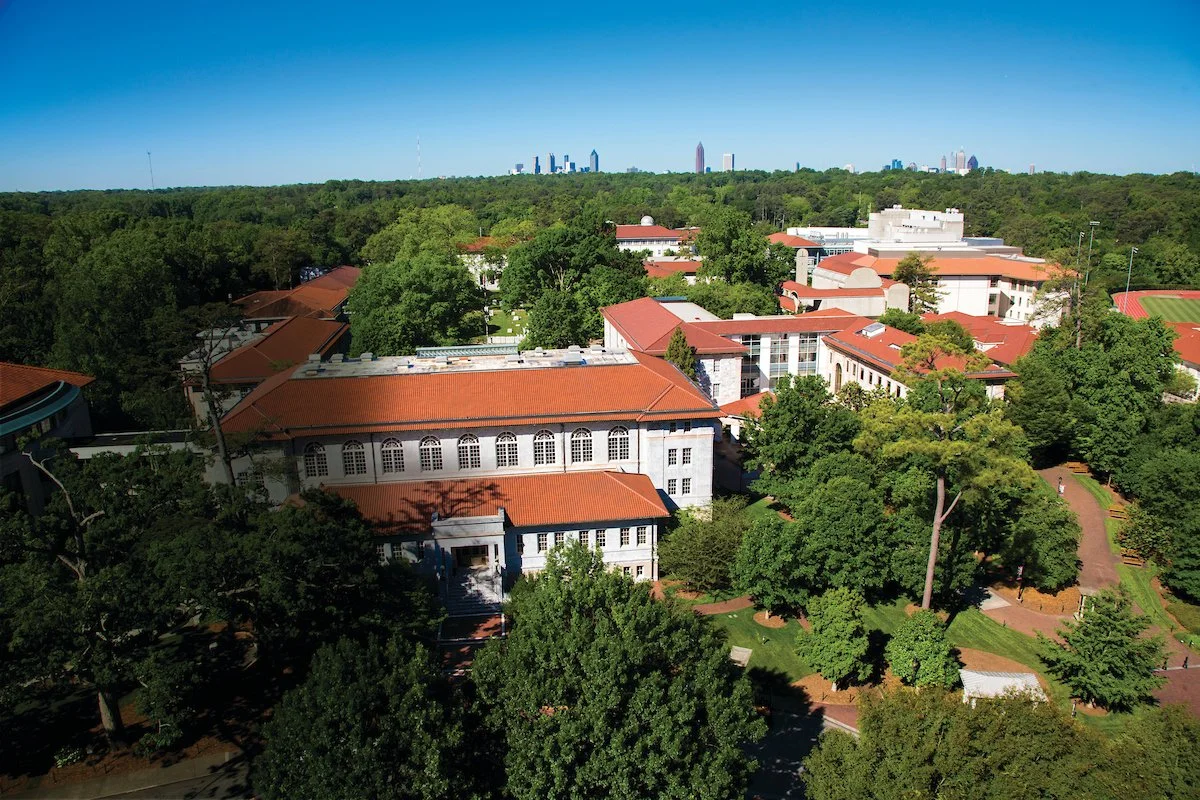

Playing tug-of-war with platelets
With new tools, researchers hope to improve diagnosis of platelet dysfunction by measuring their forces.

The Salaita lab has been at Emory University for 14 years. Hear Khalid Salaita, PhD, talk about his career as a chemist, how he balances research and commercialization, and what advice he'd give to his younger self.
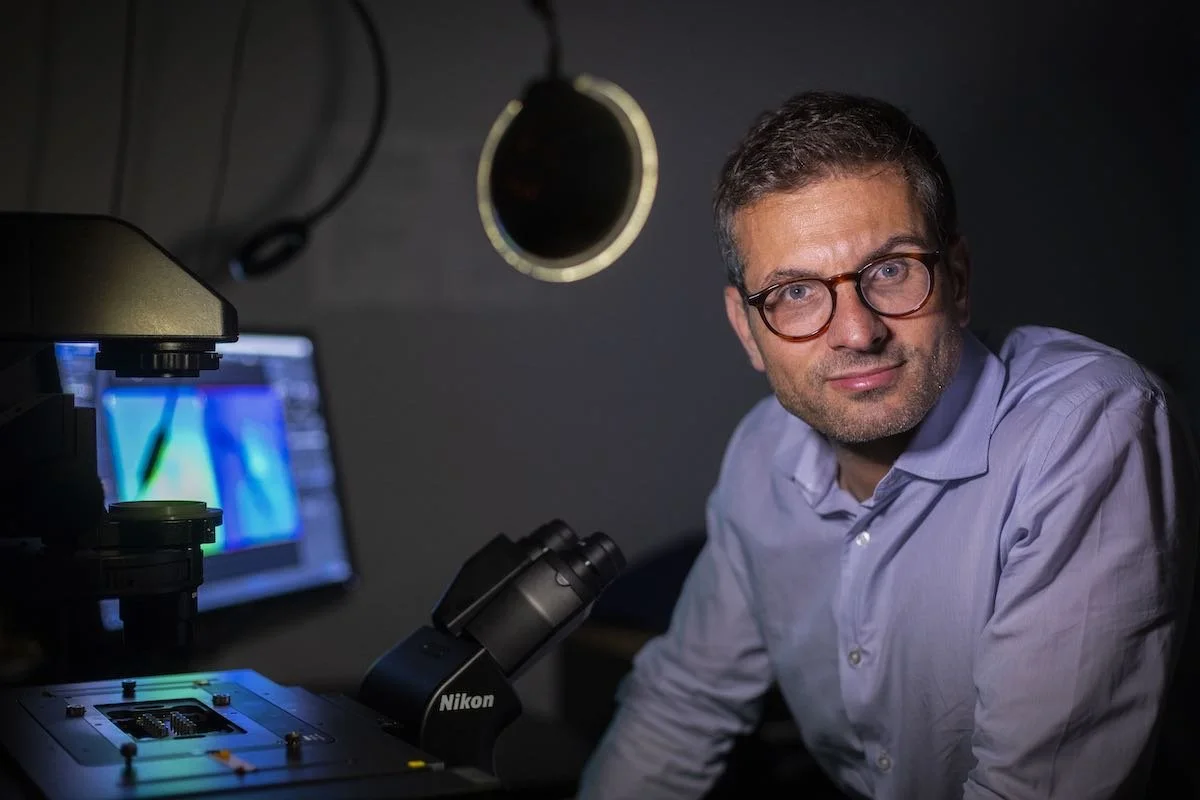
NIH funds Emory center to advance cellular mechanics
“We are catalyzing the process of spreading our technology so that studying biomechanics becomes common and routine in biology”

Merck Prize boosts work on air sensor for pandemic pathogens
Chemist Khalid Salaita leads Emory students and faculty in a visionary project

'Firefly' imaging method zooms in on 'the forces within us'
Emory chemists make cellular forces visible at the molecular scale

New tool to analyze blood platelets holds major medical potential
A novel technique to test platelet function within a person’s blood sample is faster, easier and more precise than methods currently in use, an experimental study shows

Chameleon-inspired 'smart skin' materials that change color on demand
Hydrogels that dissipate mechanical strain do the trick!